Reliable Pipelines for a More Sustainable Tomorrow

PIPE SOLUTIONS
PIPE SOLUTIONS
Electrofusion Coupler: 7 Essential Checks for Better Joints
An electrofusion coupler joins two compatible polyethylene pipe ends in a straight line. Choosing one involves more than matching a number on a quotation. Buyers also need to check the pipe system, pressure requirements, fusion equipment and installation access. This guide helps procurement teams turn a general request for HDPE pipe fittings into a specification that a supplier can review.
In this guide
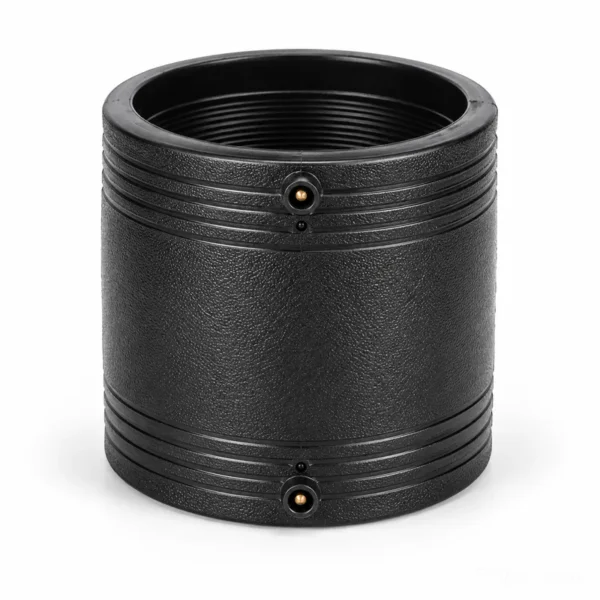
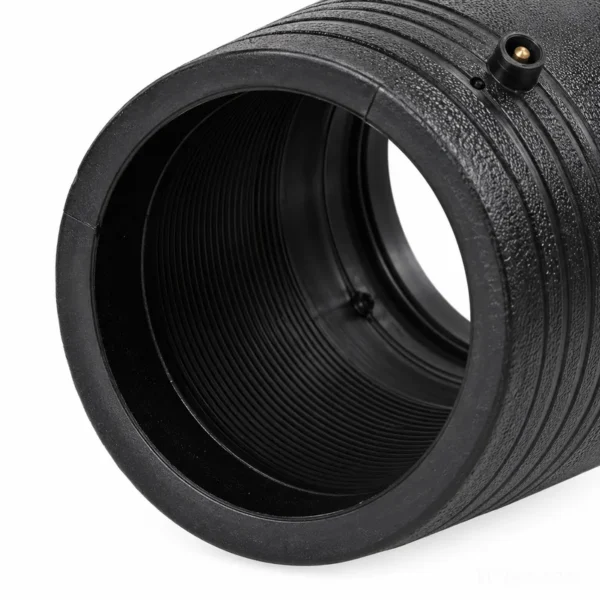
For a starting point, the TPipes HDPE electrofusion coupler has a published dimensional range from D50 to D500. That range is a product reference, not confirmation that every listed size suits every pipe or operating condition.
1. Match the electrofusion coupler to the actual pipe size
Use the pipe outside diameter and its dimensional standard when requesting a socket fitting. A nominal inch description alone can leave room for confusion between different sizing systems. Send the pipe marking, measured dimensions where appropriate, and the relevant drawing. Ask the supplier to confirm the mating dimensions in writing.
The TPipes product chart includes D50, D63, D75, D90, D110, D140, D160, D200, D250, D315, D400 and D500. It also lists several fitting dimensions. For example, its D110 row gives L as 153 mm and L1 as 76 mm. Use the approved drawing to interpret these dimensions; do not assume a chart dimension is the installation insertion depth.
2. Confirm pressure, temperature and SDR together
Outside diameter does not establish a pressure rating. Provide the design pressure, surge conditions, operating temperature and pipe SDR or wall thickness. Ask whether the selected electrofusion coupler is approved for that combination. A fitting’s headline pressure designation is not enough to approve the complete installed pipeline.
Keep the design engineer’s requirements attached to the purchase enquiry. If the pipe is a reinforced PE composite, obtain explicit confirmation for that pipe construction. A PE outer surface does not, by itself, prove compatibility with a fitting intended for solid-wall polyethylene.
3. Identify the material and required approvals
Record the pipe material designation, manufacturer and intended medium. Include drinking-water requirements or other destination-market approvals where applicable. Request documents for the offered item and specification rather than relying on a general factory certificate. The product name PE100 should not replace a project-specific compatibility review.
For a complete pipeline package, compare the steel wire mesh reinforced PE composite pipe as a separate engineered system. Its reinforcement and joining requirements need their own review.
4. Check fusion equipment and access before ordering
Tell the supplier which control unit and connectors the installer will use. Request confirmation of the required fusion data and equipment compatibility. Work space matters too: the team needs room to prepare the pipe, position the fitting and hold the assembly securely. Include trench restrictions, existing pipe movement and power arrangements in the installation plan.
Where another joining method is being considered, compare the actual equipment, crew capability and available access. Electrofusion can be useful where a butt-fusion setup is difficult to position, but the choice still depends on the approved pipe system and site procedure.
5. Plan surface preparation and alignment
A clean-looking pipe is not automatically ready for electrofusion. The approved procedure should address cutting, surface preparation, contamination control and alignment. PE100+ Association guidance on electrofusion explains the importance of preparing the pipe and controlling ovality. Use the fitting manufacturer’s instructions for the actual tools, tolerances and preparation sequence.
Make sure preparation tools and alignment equipment are included in the site budget. Leaving these items until the delivery arrives can delay installation even when the fitting itself is correct.
6. Allow for cooling and inspection
Heating is only part of the jointing cycle. Keep the assembly restrained for the specified cooling period and follow the approved inspection and testing procedure before service. Do not copy a cooling time from a different fitting size or brand. Retain the joint record, fitting identification and any controller output required by the project quality plan.
If an installation cycle is interrupted or an error is reported, follow the manufacturer’s disposition procedure. Repeating the cycle without authorization is not a procurement solution.
7. Send a complete electrofusion coupler RFQ
- Pipe outside diameter, dimensional standard, SDR and material designation.
- Medium, operating temperature, design pressure and project destination.
- Quantity per size, required drawings and approval documents.
- Fusion equipment details, installation constraints and quality records.
- Delivery destination, requested schedule and packaging requirements.
Separate couplers from other fitting functions in the bill of materials. A straight joint needs a coupler; a direction change may need a 90 degree electrofusion elbow; a branch requires a suitable tee. This makes the quote easier to compare and reduces substitutions based on an incomplete parts list.
Compare the roles of related pipe fittings
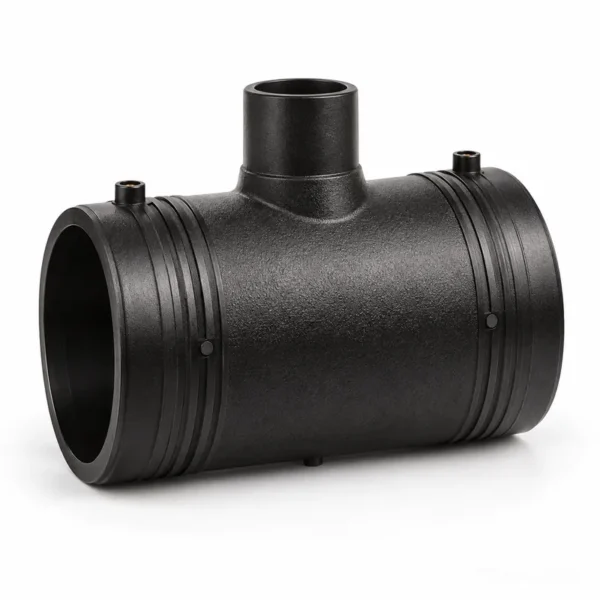
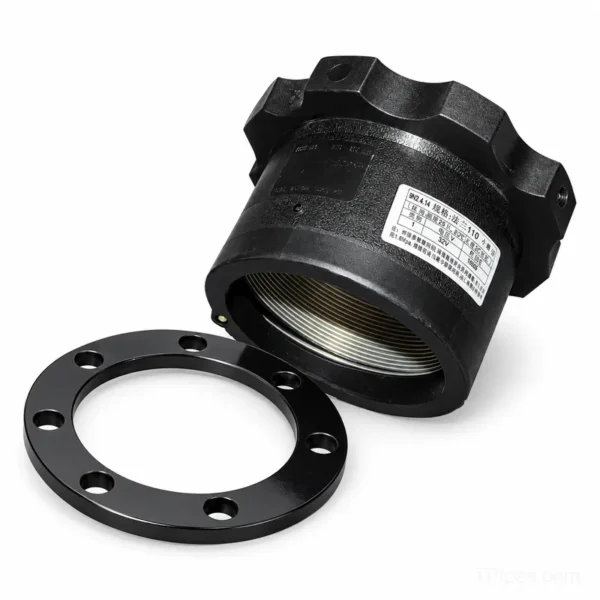
When reviewing a fitting package, mark the purpose of each item on the pipeline drawing. This helps the purchaser distinguish a spare coupler from a tee or a transition assembly. Where a valve connection is required, send the mating flange drawing rather than asking for a coupler to solve a different interface. Include the material and size of every connected section so the supplier can identify which joints need additional technical review.
Frequently asked questions
Can one electrofusion coupler fit any PE pipe with the same diameter?
No. Diameter is one check. The pipe material, tolerances, wall thickness range, service conditions and fitting approval must also match.
Is D110 the same as a nominal 4 inch description?
Do not order by that assumption. Specify the actual outside diameter and dimensional standard so the supplier can confirm the correct interface.
Where can I request a project quotation?
Send TPipes your pipe schedule and connection requirements. Include the information above so the team can review the electrofusion coupler and related fittings against the project specification.