Reliable Pipelines for a More Sustainable Tomorrow

PIPE SOLUTIONS
PIPE SOLUTIONS
Xichang Qingshan Airport Project: 5 Essential Tips for Better Planning
- Location
- Xichang Qingshan Airport
- Project year
- 2008
- Technical specifications
- DN300
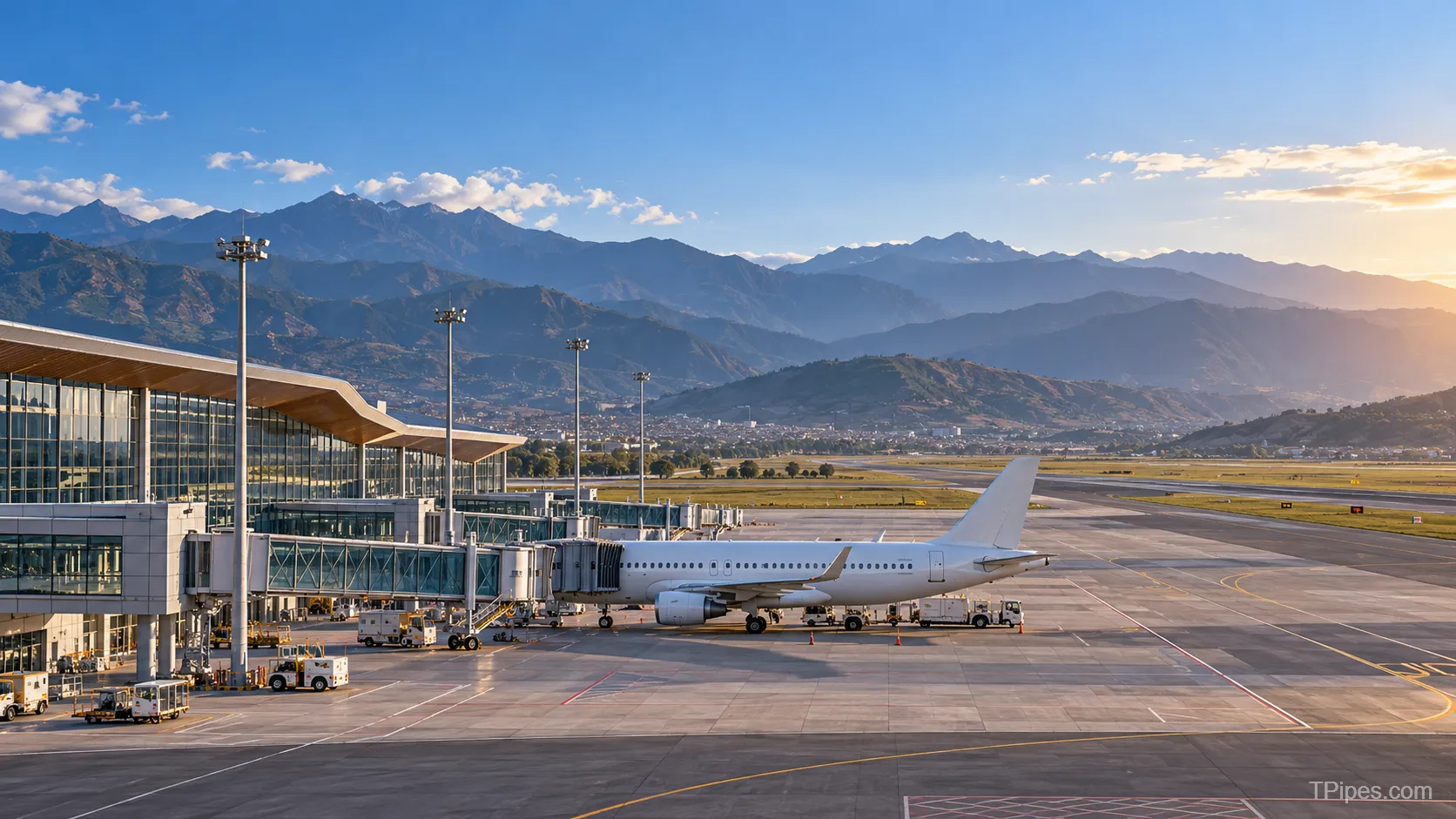
The Xichang Qingshan Airport project is a useful public reference for understanding how regional airport upgrades coordinate airside facilities and supporting utilities. Located in Xichang, Liangshan Yi Autonomous Prefecture, Sichuan Province, the airport serves a mountainous region where reliable transport links are important for local mobility, tourism and economic development.
Xichang Qingshan Airport Project: Background and Scope
Public information from the Civil Aviation Administration of China records the approval of the airport expansion feasibility study in 2009. The planned works included runway rehabilitation, improvements to the parallel taxiway and navigation lighting, upgrades to the existing terminal, and construction of a new terminal building of approximately 10,000 square metres. The plan also included four C-class aircraft stands and supporting facilities such as water supply, drainage, power, fuel and fire protection systems. The expansion project later underwent an industry acceptance inspection in June 2011.
These details make the Xichang Qingshan Airport project a useful reference for discussing the coordination required in airport infrastructure. They describe the publicly documented expansion scope; they do not, by themselves, identify the pipe suppliers or confirm which pipe materials were installed in each utility network.
Why Utility Coordination Matters at Airports
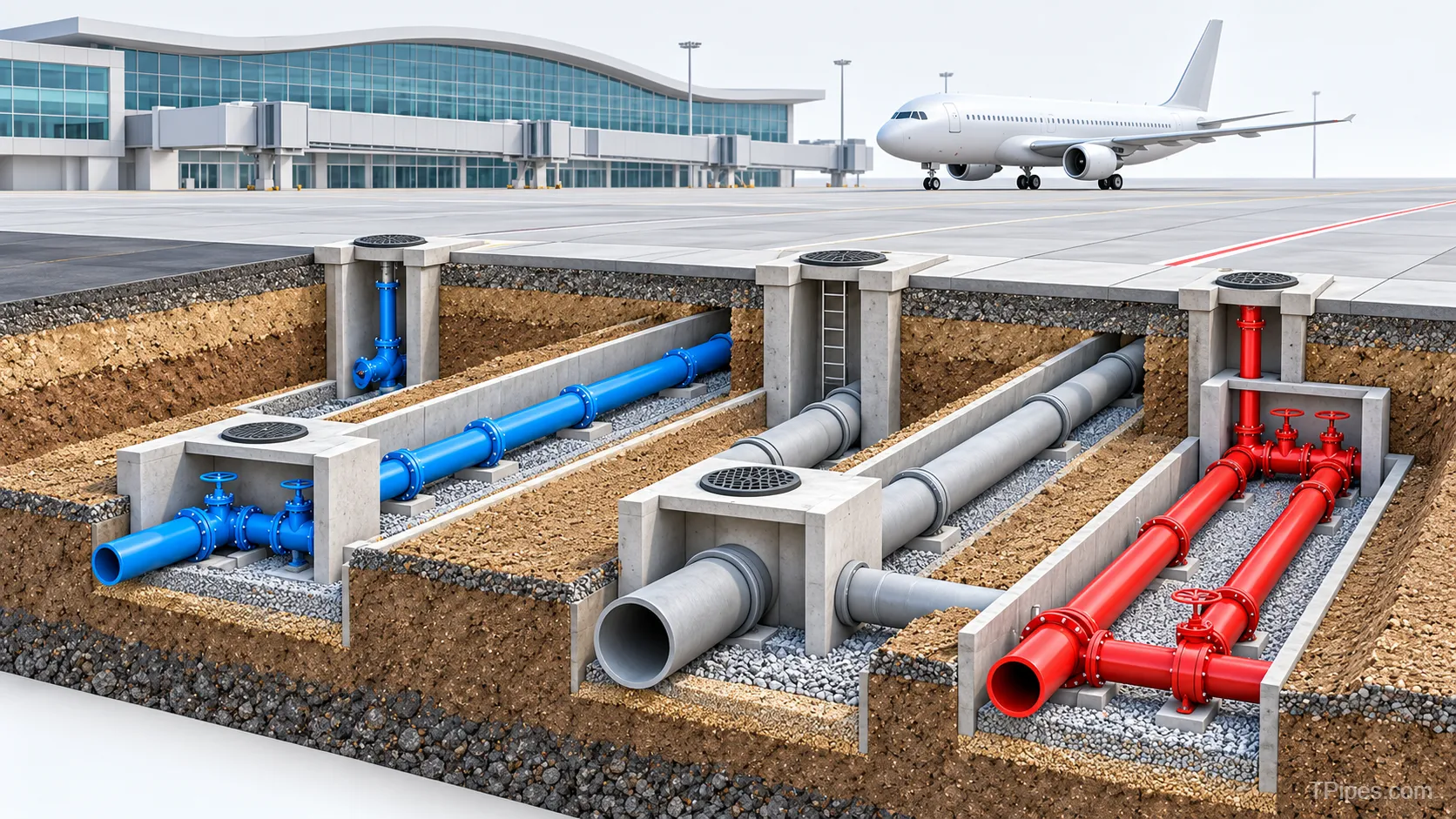
Airport utility networks must be planned alongside buildings, apron areas, runways, service roads and operational safety zones. Water supply, stormwater drainage and fire protection may have different hydraulic requirements and approval conditions. Their routes also need to avoid conflicts with electrical ducts, communications lines and other buried services.
Early coordination can reduce design clashes, improve access for maintenance and help contractors plan installation sequences. The final design must be based on verified drawings, local conditions, applicable aviation requirements and the responsible engineer’s specifications.
Five Essential Planning Considerations
- Define the service. Confirm whether the pipeline will carry potable water, general utility water, stormwater or another medium. Different services can require different materials and approvals.
- Confirm operating conditions. Establish design pressure, temperature, flow rate, pipe diameter and expected external loads before selecting a pipe system.
- Review installation conditions. Burial depth, soil properties, traffic loads, groundwater and nearby structures can affect pipe selection, trench design and installation procedures.
- Choose compatible joints. Electrofusion, flange connections and transition fittings are not interchangeable by default. Joint selection should follow the pipe manufacturer’s instructions and the project’s approved design.
- Plan inspection and maintenance. Allow suitable access to valves, inspection chambers and other service points. Keep installation records and inspect completed joints before commissioning.
Selecting Pipe Systems for Comparable Projects
PE and reinforced PE composite pipes may be considered for certain pressure-pipeline applications when the product is suitable for the conveyed medium and the project specification permits its use. Selection should account for pressure rating, diameter, connection method, operating environment, relevant standards and required approvals. A pipe suitable for one utility network should not automatically be assumed suitable for drainage, fire protection or every airport application.
For this reason, engineers should compare product data with the approved design and confirm compatibility with fittings and connected equipment before procurement. Material selection should be based on documented requirements rather than appearance alone.
Explore TPipes Pipe Solutions
For projects where the design and operating conditions permit, review our perforated steel strip PE composite pipe to learn more about the product structure and available specifications. Share your application, required diameter, design pressure, conveyed medium and applicable standards with the TPipes team to help determine whether the product is appropriate for your project.
For historical project background, see the Civil Aviation Administration of China notice on the Xichang Airport expansion feasibility study and its industry acceptance announcement in June 2011.
Project reference note: Public records document the airport expansion scope and acceptance process. Confirm any claim about TPipes supply, installed pipe types, quantities or specific construction locations against company project records before presenting it as a verified delivery case.