Reliable Pipelines for a More Sustainable Tomorrow

PIPE SOLUTIONS
PIPE SOLUTIONS
Steel Skeleton PE Composite Pipe: 5 Key Performance Benefits
Steel skeleton PE composite pipe combines polyethylene with a reinforcing steel skeleton to create a composite piping solution for suitable industrial and infrastructure applications. Its structure is designed to combine the protective characteristics of polyethylene with the mechanical support provided by steel reinforcement. Understanding its construction and performance helps engineers and procurement teams evaluate whether this pipe type meets their project requirements.
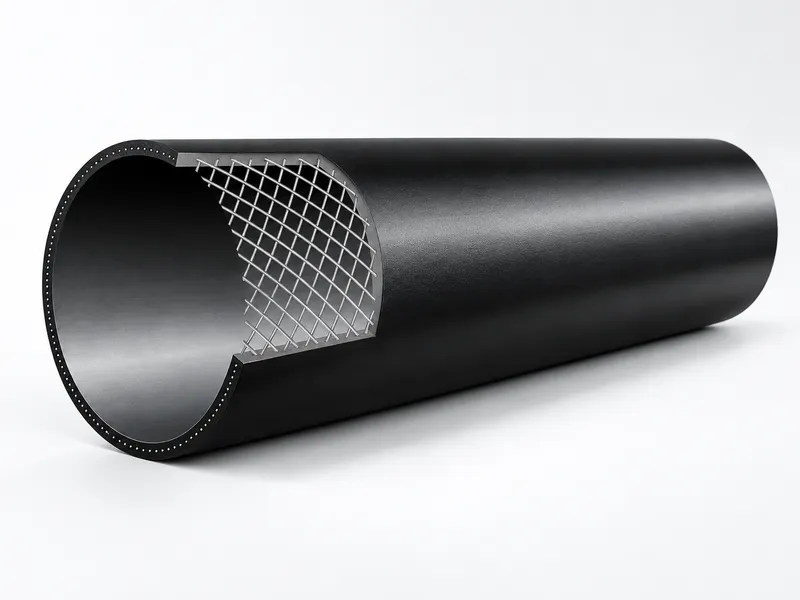
Steel Skeleton PE Composite Pipe Structure
The structure of a steel skeleton PE composite pipe generally includes polyethylene layers, a steel reinforcement skeleton, and compatible bonding materials where required by the product design.
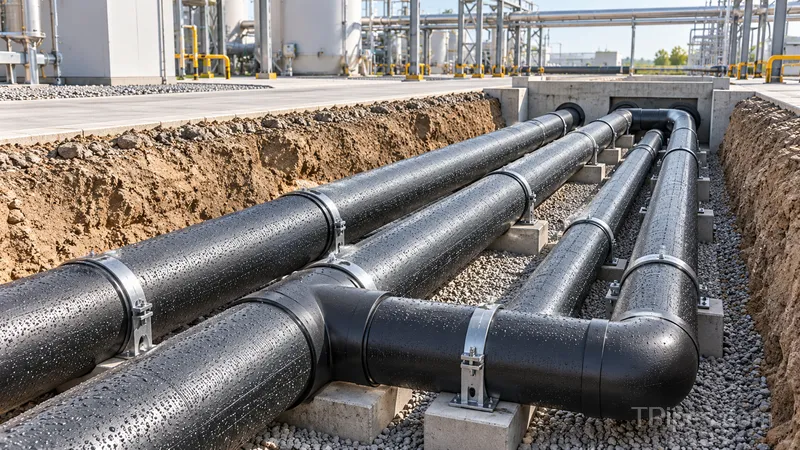
1. Inner polyethylene layer
The inner PE layer forms the fluid-contact surface. Its smooth finish can help reduce flow resistance and limit the buildup associated with rough internal surfaces. Actual performance depends on the conveyed medium, operating conditions and pipe specifications.
2. Steel reinforcement skeleton
The embedded steel skeleton provides structural reinforcement and helps the pipe resist internal pressure and deformation when designed for the specified service conditions. Its geometry, dimensions and placement must be controlled during manufacturing to maintain consistent product quality.
3. Bonding layer
Where used, a compatible bonding material helps integrate the steel reinforcement with the surrounding polyethylene. Effective bonding is important for maintaining the composite structure under the intended operating conditions.
4. Outer polyethylene layer
The outer PE layer protects the embedded reinforcement from the surrounding environment and provides the pipe with a durable external surface. Handling, installation and joint preparation should follow the manufacturer’s instructions to avoid damaging this protective layer.
Five Key Performance Characteristics
1. Reinforced structural performance
The steel skeleton contributes mechanical strength and structural stability. The actual pressure rating and load-bearing capability must be confirmed using the manufacturer’s technical data for the selected diameter and pipe specification.
2. Corrosion protection
Polyethylene provides a protective barrier around the steel reinforcement. This can reduce direct exposure of the steel to the conveyed medium and surrounding environment when the pipe and joints remain intact. Chemical compatibility and protection at cut ends or connections must still be considered.
3. Smooth internal surface
A smooth polyethylene inner surface can support efficient fluid transport by limiting surface-related flow resistance. Actual hydraulic performance depends on pipe dimensions, flow rate, fluid properties and system design.
4. Resistance to deformation
The composite structure is designed to balance polymer properties with steel reinforcement. Its performance under internal pressure, external loads and long-term service conditions depends on the specific construction, installation method and approved operating limits.
5. Practical installation considerations
Composite pipe systems can be supplied with compatible fittings and connection solutions. Depending on the product design, electrofusion or flange connections may be available. Correct equipment, surface preparation, alignment and installation procedures are essential for joint integrity.
Typical Applications and Product Selection
Steel skeleton PE composite pipe may be considered for selected water supply, industrial fluid transfer, mining or other infrastructure applications when the product specification and relevant approvals permit its use.
Before purchasing, evaluate the following factors:
- Conveyed medium and chemical compatibility
- Required pipe diameter and design pressure
- Operating temperature and external loading conditions
- Applicable product standards and project approvals
- Compatible fittings, connection methods and installation requirements
Do not assume that every composite pipe is suitable for potable water, fire protection, gas transmission or aggressive chemical service. Confirm the permitted applications against the exact product documentation and project specifications.
Explore TPipes Steel Skeleton PE Composite Pipe
Choosing the right pipe involves more than comparing material names. Engineers should review the reinforcement design, pressure rating, dimensions, connection system and quality documentation before making a final selection.
Explore our Steel Skeleton PE Composite Pipe to review the product information. For project-specific recommendations, provide your required diameter, design pressure, conveyed medium, operating conditions and applicable standards to the TPipes team.
For international projects, consult the relevant standards catalogue and verify the applicable requirements with the project engineer and product manufacturer before procurement.