Reliable Pipelines for a More Sustainable Tomorrow

PIPE SOLUTIONS
PIPE SOLUTIONS
HDPE Flange Adaptor: 7 Essential Checks for Better Fit
An HDPE flange adaptor connects a compatible polyethylene pipe system to a bolted interface, such as a suitable valve or equipment flange. A successful purchase needs two matching interfaces: the pipe connection and the mating flange. Matching the pipe diameter alone does not establish bolt-hole alignment, sealing compatibility or a suitable pressure rating.
In this guide
This guide gives project buyers seven checks before ordering. The TPipes electrofusion flange adaptor set is listed as a two-component assembly comprising an electrofusion flange head and a matching flange plate, with a published size range from D50 to D500. Confirm the final drawing and order scope for the selected size.
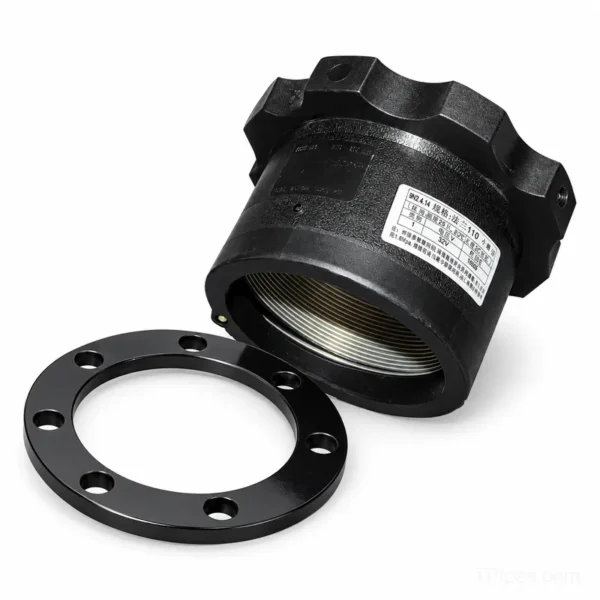
1. Define the HDPE flange adaptor pipe interface
Identify the pipe outside diameter, dimensional standard, material and SDR or wall thickness. Send the pipe schedule and marking information with the enquiry. Ask the supplier to confirm that the offered head and its joining method suit the selected pipe. A product described as a flange adaptor may use a different pipe connection from the one your installer expects.
The TPipes set uses an electrofusion flange head. If your project drawing instead calls for a butt-fusion stub end or another transition, resolve that difference before placing an order. Use the actual component drawing and approved method to agree on the fitting configuration.
2. Match the flange drilling and mating standard
Obtain the valve or equipment flange drawing, including its nominal designation, standard, bolt-hole count, hole diameter and pitch circle. Provide the pressure class and facing details. Ask the supplier to confirm the matching interface rather than assuming that a familiar nominal size guarantees alignment.
Do not modify a plate or enlarge holes on site to correct an unreviewed mismatch. That is a design change, not routine assembly. Clarify any proposed alternative drilling pattern with the responsible engineer and supplier before purchasing the HDPE flange adaptor.
3. Confirm pressure, temperature and service conditions
State the design pressure, temperature range, conveyed medium and applicable project requirements. The permitted service of the assembly depends on its components and installation conditions. A metal plate’s designation alone does not approve the polyethylene head, gasket, fasteners or connected equipment for the same duty.
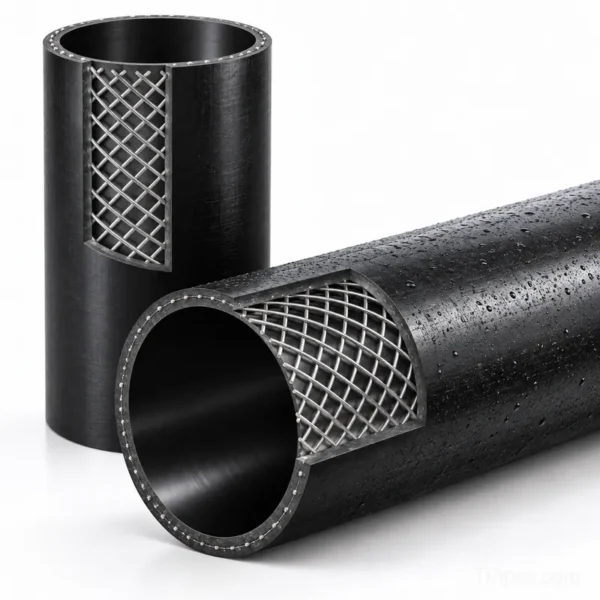
Check the documentation offered for the specific product and service. Drinking-water, chemical and other regulated applications may require additional evidence. For a reinforced PE pipe connection, obtain written system compatibility confirmation rather than relying only on outside diameter.
4. Clarify gaskets, bolts and nuts in the supply scope
The published TPipes set identifies two components. Gaskets, bolts and nuts are not specified as included items. Ask the quotation to state whether these are required separately and, if offered, identify their specifications. This prevents a complete-looking flange set from arriving without the parts the installation team needs.
Gasket selection should follow the approved assembly requirements, including the medium, temperature, flange surfaces and service duty. Fastener material, size and length also need to suit the assembly. Avoid choosing sealing hardware by appearance or copying it from a different flange arrangement.
5. Check valve clearance and installation space
Review the interface with the actual equipment. Where a butterfly valve is involved, the project team should check that the disc has the required rotational clearance. The inside opening and nearby components matter as well as bolt alignment. Ask for a coordinated drawing if the valve or equipment supplier has particular interface requirements.
Allow access for pipe preparation, fusion connections, fasteners and future maintenance. Supports should be considered in the layout so the flange is not used to pull misaligned pipework into position. Share any restricted access or existing pipework conditions with the supplier during technical review.
6. Use an approved assembly and tightening procedure
The installation plan should distinguish the pipe jointing operation from the bolted flange assembly. Confirm the fusion equipment and supplied joining data for the head. The bolted connection needs its own procedure, including the required tightening sequence, specified torque and any follow-up checks.
There is no single bolt torque that is correct for every HDPE flange adaptor. Do not copy a number from a different diameter, gasket or plate. Use instructions approved for the complete assembly, and record the checks required by the project inspection plan before commissioning.
7. Request a coordinated HDPE flange adaptor quotation
List sizes and quantities separately, then attach the pipe and mating flange drawings. Include operating conditions, required approvals, plate material and coating requirements, sealing hardware scope, delivery destination and schedule. Ask the supplier to identify any exclusions or proposed alternatives clearly.
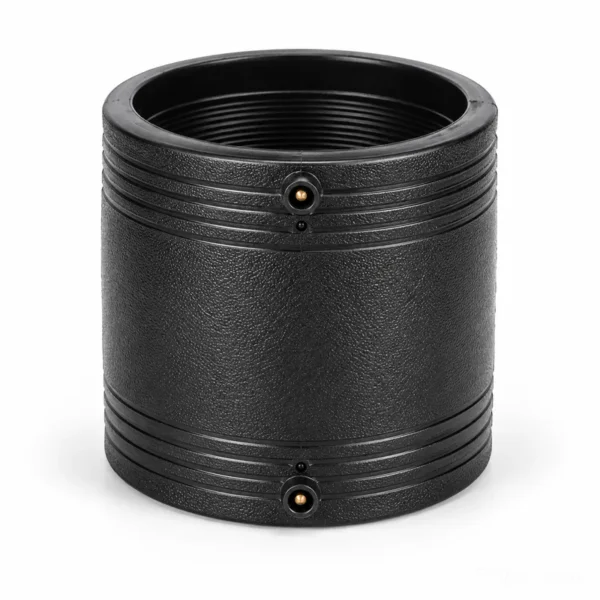
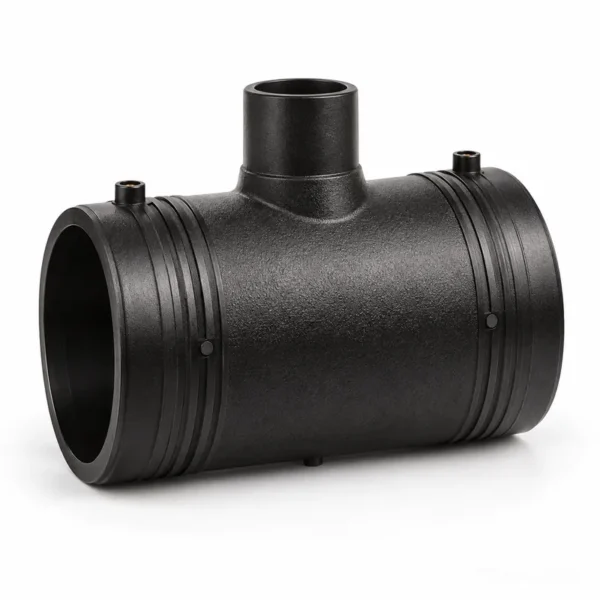
For a larger connection package, include electrofusion couplers for straight joints and reducing tees for smaller branches. These are different functions and should remain separate procurement lines. Our pipe quotation comparison guide explains how to compare the total package scope.
Distinguish the other joints in your pipe package
RFQ information to send
- Pipe outside diameter, standard, material and SDR or approved wall specification.
- Mating flange standard, pressure class, drilling and facing drawing.
- Medium, design pressure, temperature and destination requirements.
- Head, plate, gasket and fastener scope with quantities.
- Installation access, valve details, documentation and delivery needs.
Before approving the order, compare the supplier’s drawing revision with the equipment information used by the designer. Record any approved change in the purchase documents. This helps prevent a later substitution from changing an interface that was already coordinated.
Frequently asked questions
Does a flange adaptor set automatically include sealing hardware?
No. Confirm the stated components. The TPipes published two-piece configuration identifies the head and plate; request any additional hardware explicitly.
Can matching pipe diameter guarantee a valve connection?
No. Flange drilling, pressure class, facing, clearance and other assembly requirements also need to match.
How can TPipes review my flange requirement?
Send TPipes the pipe schedule and mating flange drawing. Include the quantities and operating conditions for an HDPE flange adaptor quotation and technical review.