Reliable Pipelines for a More Sustainable Tomorrow

PIPE SOLUTIONS
PIPE SOLUTIONS
Reinforced PE Pipe: 7 Essential Checks for Better Buying
Reinforced PE pipe combines polyethylene with a reinforcing structure, but the term covers several different product designs. A buyer comparing steel wire mesh, steel skeleton and perforated steel strip systems needs to identify the actual construction before comparing pressure, dimensions or cost. Similar product names do not establish that two systems are interchangeable.
In this guide
This guide focuses on the procurement checks that help engineers, contractors and distributors define a reviewable requirement. Start with the TPipes steel wire mesh reinforced PE composite pipe and compare other structures against the same project duty. Ask for the current technical datasheet and compatible joint information for the offered specification.
1. Identify the reinforced PE pipe construction
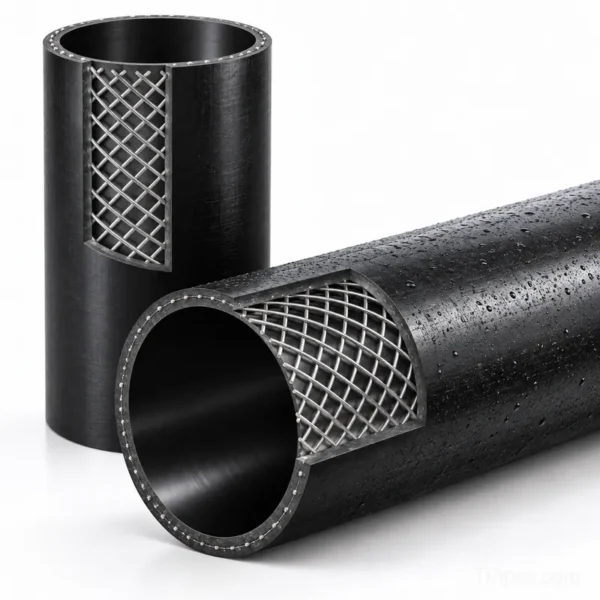
The TPipes steel wire mesh product description identifies steel wire reinforcement embedded between polyethylene layers and bonded using a specialized resin. The inner PE layer provides the fluid-contact surface, the reinforcement contributes to the structure, and the outer PE layer protects the composite. Each layer has a role in the complete product design.
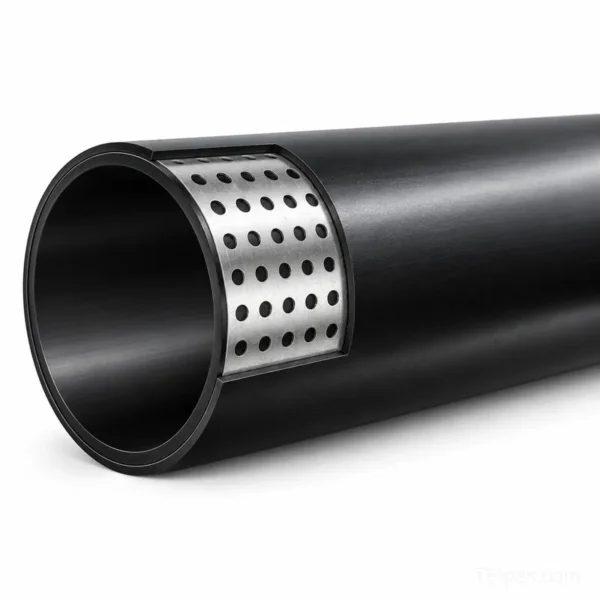
A steel skeleton or perforated steel strip product uses a different described reinforcement arrangement. Keep the construction name on the purchase schedule and drawing. Avoid accepting a supplier’s substitution based only on the words “steel reinforced” without a technical comparison of the proposed system.
2. Define the service duty before choosing a product
Record the conveyed medium, operating temperature, design pressure, installation environment and project requirements. Water transfer, industrial service and a line carrying abrasive material may have different design considerations. Describe the actual duty rather than assuming that a product’s broad application list approves it for your specific conditions.
For chemical service, identify the substance, concentration and operating conditions so compatibility can be assessed. For drinking water or another regulated use, specify the evidence required in the destination market. The selection process should connect the pipe specification to the actual project conditions.
3. Confirm the diameter and pressure combination
The steel wire mesh product page lists nominal outside diameters from 50 to 630 mm and several brochure-listed pressure ratings from 0.8 to 3.5 MPa. It also states that not every diameter is available in every rating. Treat those values as a range across the product family, not a complete matrix of approved combinations.
Ask for the exact diameter, wall dimensions, pressure rating and allowable service conditions for the item offered. Temperature, surge and other design requirements need review as part of the complete system. A family-level maximum should not be copied onto every size in a bill of materials.
4. Compare the different TPipes reinforcement options
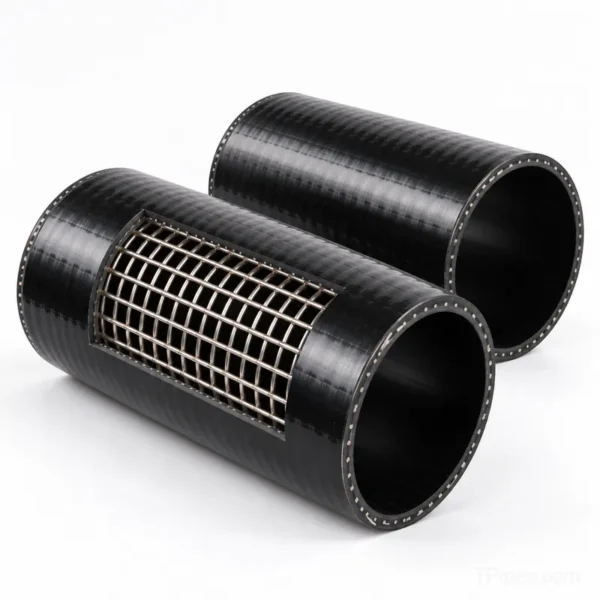
Review the steel skeleton PE composite pipe and perforated steel strip PE composite pipe as separate options. Request the structural description, approved dimensional schedule and joint requirements for each proposed system. Have the responsible designer compare them against the same duty.
Do not rank the structures by a universal claim that one is always stronger, cheaper or easier to install. The selected specification, supporting documents, connection package and project constraints determine whether a reinforced PE pipe option is suitable. A fair comparison needs more detail than a product photograph.
5. Verify the reinforced PE pipe connection system
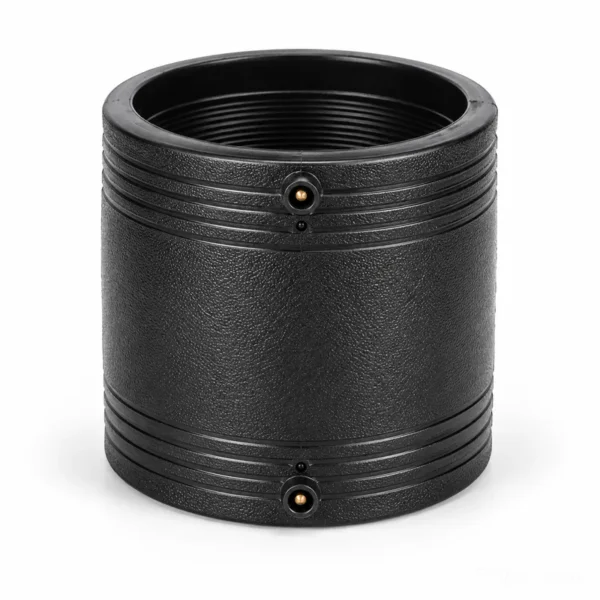
The TPipes steel wire mesh product page references compatible electrofusion fittings, with the final selection and procedure requiring confirmation for the chosen pipe system. Do not infer that every standard PE fitting is suitable merely because the outside diameter matches. Ask for the fitting schedule and the approved joining procedure together with the pipe offer.
Include straight joints, branches, elbows and equipment transitions in the review. A TPipes electrofusion coupler is a straight-joint product reference; its use with the selected composite pipe needs written confirmation. The coupler procurement checklist explains the dimensional and equipment information to provide.
6. Agree on inspection and technical documents
Request the datasheet, dimensioned drawing, inspection scope and any required test evidence for the offered pipe. The steel wire mesh product description identifies reinforcement consistency, layer bonding, dimensional tolerances and pressure performance as quality considerations. Agree on the records needed for your order and how they will be checked.
The published brochure references should not be treated as automatic proof of current destination-market approval. Ask the supplier to identify the applicable product documents and required certifications for the actual order. Keep the accepted drawing revision and any approved deviations with the procurement record.
7. Compare the complete delivered package
Compare the approved pipe, fittings, documentation, packing and delivery scope. Include installation tooling and any system-specific site requirements in the project budget. A lower price per meter may cover a different construction or leave out components required to finish the line.
Our HDPE pipe price per meter comparison guide provides an RFQ checklist. Use separate quotation lines for each pipe structure rather than combining them into one unspecified “PE composite pipe” total. Ask the supplier to state the validity, lead time assumptions and exclusions.
Example: preparing a water-transfer enquiry
A useful enquiry identifies the required diameter, length, design pressure, operating temperature, medium and installation route, then asks for a suitable reinforced PE pipe specification and compatible fittings. Add the project country, required documents and delivery destination. The supplier can then review a defined duty rather than guessing from a request for “high-pressure plastic pipe.”
Before accepting an alternative construction, compare the technical submittal with the original design basis. Record which sizes and joints are included and ask the designer to resolve material or interface changes. This makes the final purchase package clearer for both the supplier and the installation team.
Frequently asked questions
Are all steel-reinforced PE pipes the same?
No. Reinforcement structures, dimensions, ratings and approved joining systems differ. Compare the offered technical specification.
Is the highest brochure pressure available in every diameter?
Not necessarily. Confirm the exact diameter and pressure combination on the current datasheet for the selected product.
What should I send for a project review?
Send TPipes your pipe schedule and operating conditions. Include the medium, temperature, design pressure, required documents and connection layout so the team can review the reinforced PE pipe package.